
Buying guide
Cypress Fine Mulch vs Cypress Pine Woodchip
Choosing between these two cypress mulches? Start with the finish you want: finely shredded material for an even-looking covering, or woodchip for a more distinct chopped-wood texture. Both are used on garden beds and planted areas.
| Compare | Cypress Fine Mulch | Cypress Pine Woodchip |
|---|---|---|
| Texture | Finely shredded cypress pine. | Chopped woodchip texture. |
| Finish | Honey-coloured material for an even-looking covering. | Visible wood pieces for a woodchip finish. |
| Where to use it | Garden beds, borders and planted areas. | Garden beds and planted areas around established trees and shrubs. |
Compare the two materials
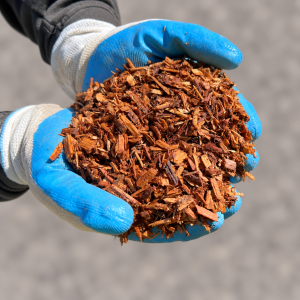
Cypress Fine Mulch
Finely shredded cypress pine mulch made from sawmill residues. Choose it when you prefer a fine texture across beds and borders.
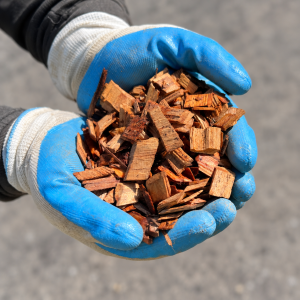
Cypress Pine Woodchip
A woodchip mulch for garden beds and planted areas around trees and shrubs. Choose it when you prefer the appearance of chopped wood.
Photos show the difference in texture, but natural colour and texture can vary between loads. Visit our Springwood yard to inspect the current material before choosing.
Which should you choose?
For a fine, more uniform-looking bed surface, compare Cypress Fine Mulch. If you prefer individual wood pieces, compare Cypress Pine Woodchip. Tell us about your plants, the area to cover and any existing mulch so we can discuss the choice for your garden.
Texture alone does not tell you how long a mulch will last or which will perform better on every site. Application, watering and the conditions in your garden also matter.
Is cypress mulch termite resistant?
White cypress pine heartwood has natural resistance to termite attack, but Australian research notes that this resistance does not extend to sapwood. That research concerns timber, so it does not establish the termite resistance of our Cypress Fine Mulch or Cypress Pine Woodchip.
We do not claim these mulches are termite-proof. Use mulch as a garden covering, and keep your building’s termite-management measures in place. If you are planning garden beds near your home, ask your termite professional how to maintain the protection and inspection access.
Read the Australian white cypress pine timber study and NSW termite-management guidance.
Before spreading mulch
Remove weeds and apply mulch over moist soil. Spread it on the soil surface, keep it away from tree trunks and woody stems, and avoid covering low-growing plants. Confirm a suitable depth for your planting and site before measuring your order.
Mulch can help soil retain moisture and suppress weeds. Keep checking soil moisture beneath it and remove weeds that appear; mulching does not replace watering or garden care.
How much mulch will you need?
Measure the bed area in square metres, allowing for areas you will leave uncovered, then confirm the mulch depth. Estimate volume using:
Area (m²) × depth (mm) ÷ 1,000 = volume (m³)
Tell our team your measurements so we can confirm the order quantity and current selling unit. Keep the two full product names distinct when requesting a quote.
Choose your mulch with our team
Tell us which material you are considering, your bed area and confirmed depth, and your delivery suburb. Mention narrow driveways, steep access or other restrictions when requesting delivery.
Visit our Springwood yard or enquire about delivery across the Penrith area, the Blue Mountains up to and including Mount Victoria, Windsor, Richmond and Yarramundi.
Browse our mulch range or read our delivery information.
General application guidance: the Royal Horticultural Society’s mulching advice. Product textures and uses follow Shantana’s current product information; ask our team about your particular site.