
Buying guide
Compost vs Garden Mix: Which Should You Use?
Start with the job: are you improving soil already in the garden, or bringing in material for a planting bed? Compost adds organic matter to existing soil. A blended garden mix is another option for preparing planting areas, with the choice depending on your plants and site.
| Your project | Compost | Garden mix |
|---|---|---|
| Existing soil | Compare Organic Compost or Cow and Compost as soil improvers. | Super Grow is also listed for improving existing garden soil. |
| New bed | Consider compost where you are keeping and improving the existing soil. | Compare a blended mix suited to the intended planting. |
| Vegetables | Consider how a compost addition fits your existing bed. | Complete Vegetable Mix is listed for vegetable beds; check its pH against your plants. |
Compare four Shantana options
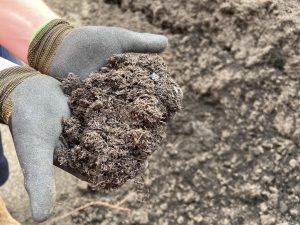
Organic Compost
Composted green waste, listed as a soil conditioner and mulch. An option for adding organic matter to existing garden soil.

Cow and Compost
Compost combined with cow manure, listed for incorporating into existing soil, preparing beds and surface use around established planting.

Super Grow Garden Mix (Premium Garden Mix)
A blend of screened soil, coarse sand and composted organic matter, listed for new beds and improving existing garden soil.
Complete Vegetable Mix
Composted green waste, manure and sand for establishing or replenishing vegetable beds. The listed pH is 6.8–7.8; check your plants’ requirements.
Natural materials can vary between loads; inspect the current supply at our Springwood yard when choosing.
What does compost do?
Compost is used as a soil improver: adding organic matter can help soil structure and its ability to hold moisture. The amount and method of application depend on your soil and plants. Choose a suitable material and application rate before ordering.
Which mix should you choose for a new bed?
For a general planting area, compare Super Grow Garden Mix. For a vegetable garden, compare Complete Vegetable Mix. Tell us whether the bed is in the ground or raised, what soil is already there, what you plan to grow and how the area drains.
Check plant requirements. Complete Vegetable Mix has a listed pH range of 6.8–7.8, which may not suit all flowering plants. Both it and Super Grow contain composted green waste; small traces of plastic may occasionally remain after commercial processing. Inspect the current material and discuss your planting before choosing.
Can you plant directly into compost?
Garden compost is a soil improver. Seed and potting mixes are formulated for growing in containers, so a compost product name alone does not establish that it is suitable as a complete growing medium. Explain whether you are filling pots, a raised bed or an in-ground bed when asking for advice.
How much should you order?
Measure the area and confirm the required fill depth or compost application rate. For a bed-fill volume, use:
Area (m²) × depth (mm) ÷ 1,000 = volume (m³)
This calculates volume only. Share the measurements and exact product name so we can confirm the order quantity and current selling unit.
Choose a material for your garden
Tell us what you are planting, your existing soil, the area and intended depth, and your delivery suburb. Mention narrow driveways, steep access or other delivery restrictions.
Visit our Springwood yard or enquire about delivery across the Penrith area, the Blue Mountains up to and including Mount Victoria, Windsor, Richmond and Yarramundi.
Browse our soil and garden mix range or read our delivery information.
General soil-improver guidance: the Royal Horticultural Society’s organic matter advice. Product ingredients, uses and pH follow Shantana’s current product information.